
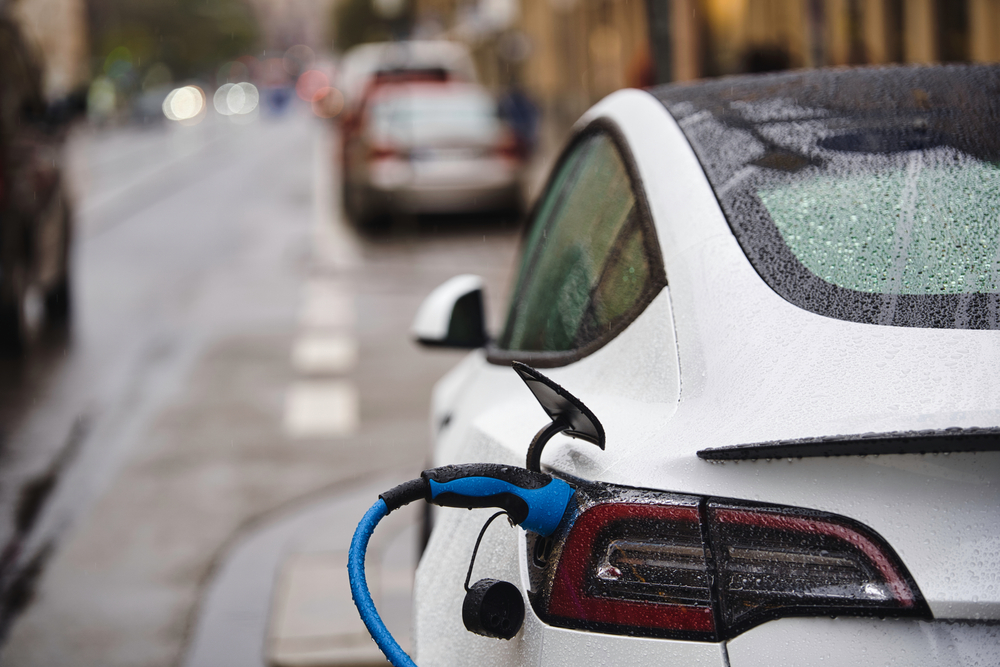
Who isn’t currently keeping an eye on petrol and diesel prices almost every day? The answer is simple: those who drive electric vehicles (EVs). While fuel prices continue to rise and fluctuate due to global events, EV drivers enjoy a level of stability that traditional drivers can only wish for. This is only one reason why going electric through your company makes business sense.
Given the current events in the world, it’s worth considering a straightforward question: Does it make sense for more of us to explore electric vehicles (EVs)? For many businesses, the answer is increasingly yes. Going electric through your company just makes business sense.
The UK tax system and EVs
The UK government is actively promoting the shift to electric vehicles, having structured both grants and the tax system to make EVs more appealing than ever. So, is now the right time to reconsider this option? Does going electric through your company make business sense?
One of the biggest advantages comes from the company car tax. Benefit-in-kind (BIK) rates for electric vehicles have remained highly favourable since they were reduced from 16% to 0% in April 2020.
Although they have started to rise slightly, they are still very low at just 4% for the current tax year, increasing gradually to 6% by 2028/29 and likely reaching 9% by 2030. When you compare this to petrol and diesel cars, which can attract BIK rates of up to 37%, the difference is significant. For both employers and employees, this can translate into meaningful savings.
There are also strong incentives for businesses when purchasing vehicles. If your company buys a brand-new electric car with zero emissions, you can currently claim 100% first-year capital allowances.
This means the full cost of the vehicle can be deducted from your taxable profits in the year of purchase, significantly reducing your tax bill. This relief is available until March 2027 for Corporation Tax and April 2027 for Income Tax. So, there is still some time left.
Ownership v. leasing of EVs
It is important to understand that capital allowances apply only when a company owns a vehicle outright or acquires it through a hire purchase agreement. These allowances do not apply to leased vehicles, including Personal Contract Purchase (PCP) agreements. However, leasing offers its own advantages.
Monthly lease payments can be treated as a business expense, reducing taxable profits and, in turn, lowering Corporation Tax. Additionally, when a company-owned vehicle is eventually sold, Corporation Tax will be payable on the sale proceeds, so this should be considered in the overall decision-making process.
Changes to EVs from April 2028
Looking ahead, it’s important to note a forthcoming policy change.
Starting in April 2028, a new mileage-based tax will be introduced for electric vehicles, in addition to the existing Vehicle Excise Duty (VED). The proposed rates are £0.03 per mile for fully electric cars and £0.015 per mile for plug-in hybrids, with increases tied to inflation.
Based on an average annual mileage of approximately 8,500 miles, this would result in a typical electric car driver paying about £255 per year. Even with this new charge, the total cost remains roughly half that of petrol and diesel drivers’ fuel duty per mile, suggesting that electric vehicles are still expected to provide a significant cost advantage.
We are still uncertain about how the mechanics of collecting this tax will work. However, it appears that the mileage for older cars will be verified annually during the MOT test. Newer cars will use a different tracking system. We will just have to wait and see what happens.
Saving on running costs
Another area where electric vehicles work well is in running costs, particularly electricity. When electricity is provided for business journeys in a company car, it is not treated as a benefit-in-kind.
Employers can either reimburse employees for charging costs or cover all charging and recover the cost of private use through payroll deductions. In both cases, electricity costs are fully tax-deductible for the company, making it a straightforward and efficient arrangement.
Salary Sacrifice and EVs
It’s worth considering salary sacrifice schemes, which can be an effective way for both business owners and employees to introduce electric vehicles (EVs).
In this arrangement, employees lease a brand-new EV using their pre-tax salary, which lowers their taxable income and can lead to savings of between 40% and 60%. These schemes typically include everything needed, such as insurance, maintenance, servicing, and road tax, and usually don’t require any upfront deposit. This makes them a straightforward and cost-effective way to access an electric vehicle without the usual complexities.
Here’s more on this topic in our previous blog.
The tax benefits outlined are part of the reason why going electric through your company just makes business sense.
Government Funding for EVs
In addition to tax benefits, direct financial support is available. The UK government’s Electric Car Grant, amounting to £650 million and running until 2028/29, provides discounts of up to £3,750 on new eligible electric cars priced under £37,000.
The process is straightforward; the discount is automatically applied by the dealer at the point of sale. With over 40 qualifying models from well-known manufacturers, there is now a wide selection of vehicles to meet a range of business needs.
You can find more on the grants currently available here.
Final Thoughts
The case for electric vehicles in a business context has never been clearer. With attractive tax rates, generous allowances, government support, and flexible funding options, the financial case alone is strong enough to justify a closer look.
While future changes will inevitably come, the overall direction of travel is clear. For many businesses, this is an ideal moment to step back, review current arrangements, and consider whether an electric vehicle could deliver both immediate efficiencies and longer‑term benefits.
Moving to an electric vehicle often makes sound commercial sense. It can reduce ongoing costs, create tax efficiencies, and support wider sustainability ambitions. While business decisions shouldn’t be driven purely by tax, the combination of available incentives, financial savings, and environmental impact makes this an option well worth exploring.
If you’d like to understand how an electric vehicle could work specifically for your business or simply want to talk through the numbers before making any decisions, please speak to your usual manager. A conversation now could provide clarity and help you decide whether this step is right for you.